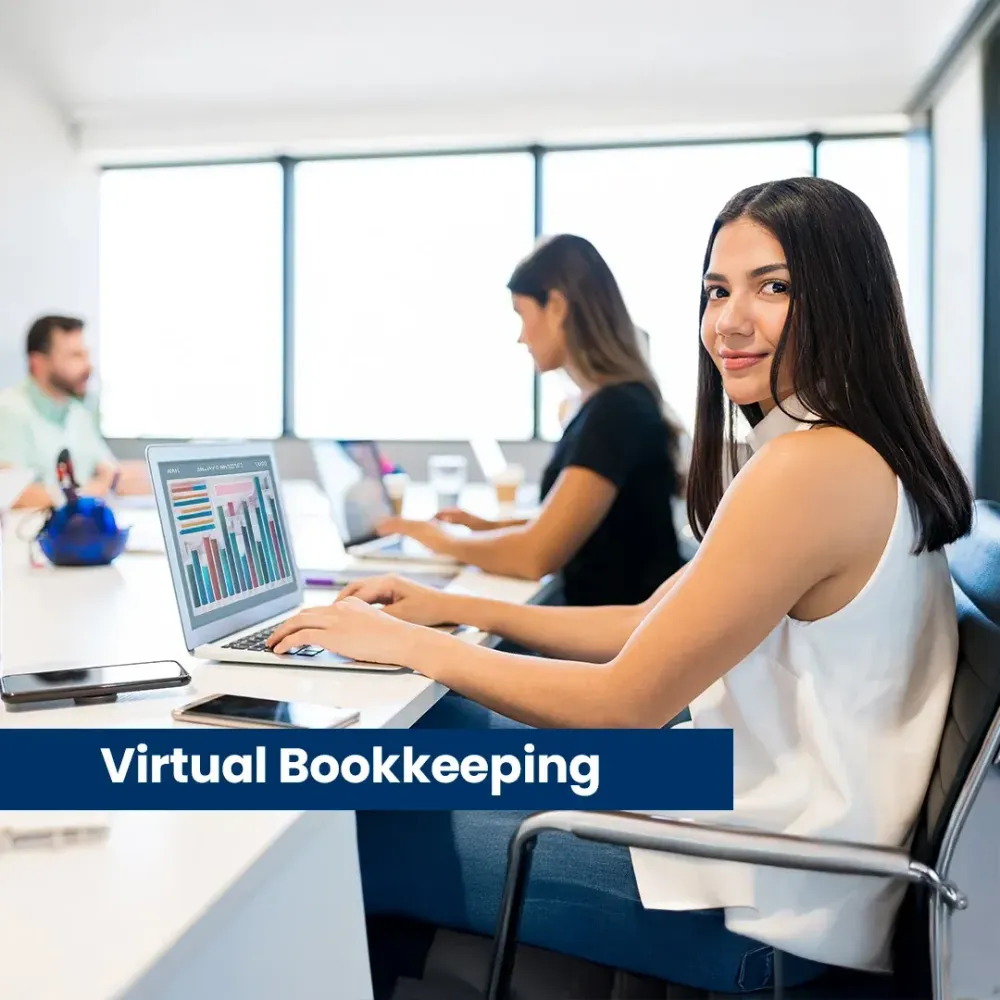
Virtual Bookkeeping
Bookkeeping via the internet is one of the latest and most advanced methods for you to keep your business’s financial records up-to-date.
With the gradual shift away from conventional or onsite bookkeeping practices, virtual bookkeeping allows companies to manage their finances through digital systems, integrating the services of an experienced bookkeeper using a Web-based program. For most business owners, the time savings, decreased possibility of error, and immediate availability of accurate financial records are reasons to transition from traditional methods to an electronic method of bookkeeping. Due to the rapid increase in cloud technology, secure digital applications, and automated processes, virtual bookkeeping has become suitable for businesses of any size.
Through the use of virtual bookkeeping, companies can enjoy the flexibility and cost savings associated with a professional accounting department at a fraction of the cost of maintaining an in-house accounting team. Companies now can take full advantage of the increasing trend toward automation and lowering operational costs associated with the need for physical documents and staff members on-site to manage their financial operations.
What is Virtual Bookkeeping?
Before exploring how virtual bookkeeping works, let’s look at what it means to have virtual bookkeeping services available today. Virtual bookkeeping means that instead of relying on someone at a location (your office), you are using cloud technology to keep track of all aspects of your business finances from wherever you want to be.
In addition to having a remote location, the virtual bookkeeper will also use secure online software, automated processes, and other digital workflows to manage your books. Virtual bookkeeping has the same level of accuracy that is available with traditional bookkeeping but is done with increased flexibility, productivity, and speed.
How Does Virtual Bookkeeping Work?
To understand how this all comes together, we can visualize a digital bookkeeping system that stores and maintains a business’s complete financial history through the use of cloud-based technology. With virtual bookkeeping services, the business owner and their service provider will share their necessary documentation (such as invoices, receipts and bank statements) through secure online portals.
Once a virtual bookkeeper has this documentation, they will use the provided system to classify all transactions; follow up on any outstanding invoices, perform reconciliations of the company’s bank accounts, prepare monthly and annual financial statements, and conduct all other functions of the virtual bookkeeping service from a remote location. Because everything associated with virtual bookkeeping occurs digitally and online, it reduces the time lapse associated with the preparation of documentation and eliminates the need for a physical location. As a result, virtual bookkeeping services are an excellent solution for both small and large businesses.
Services Provided by Virtual Bookkeepers
Virtual Bookkeepers provide services relating to almost every area of a business’s finance function. These Services include Transaction Recording, Bank Reconciliation, Invoicing, Payroll Management, Expense Tracking, Account Payable & Receivable, and Financial Reporting. Although many businesses will try to find Virtual Bookkeepers locally, advances in technology have enabled Remote Bookkeepers to provide accurate and timely services to their Clients regardless of where they are located.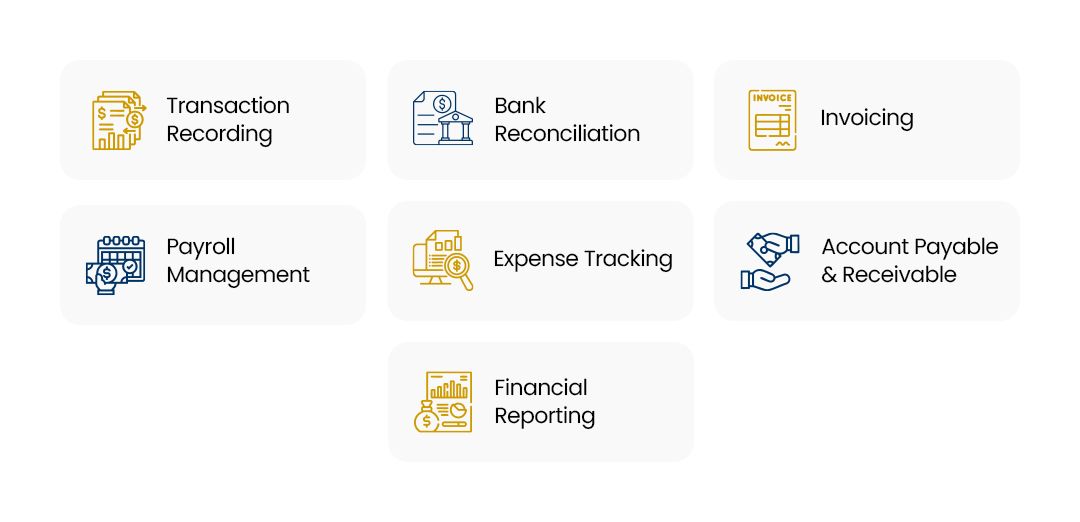
Benefits of Virtual Bookkeeping Services
Business owners who are looking into the advantages of using virtual bookkeeping services find that they can save time and money. Financial data is automatically changed to reflect what is going on in the business at that moment. This allows businesses to be able to make informed decisions about how to operate their business. Virtual Bookkeeping also gives businesses access to skilled professionals who use up-to-date technology to ensure that the information they have is accurate. Companies have the ability to grow, reduce, or perform seasonal bookkeeping with less difficulty than relying upon in-house bookkeeping services for these functions. In general, the advantages of virtual bookkeeping include a high level of convenience, affordability, the ability to obtain real-time information, and enhanced financial controls.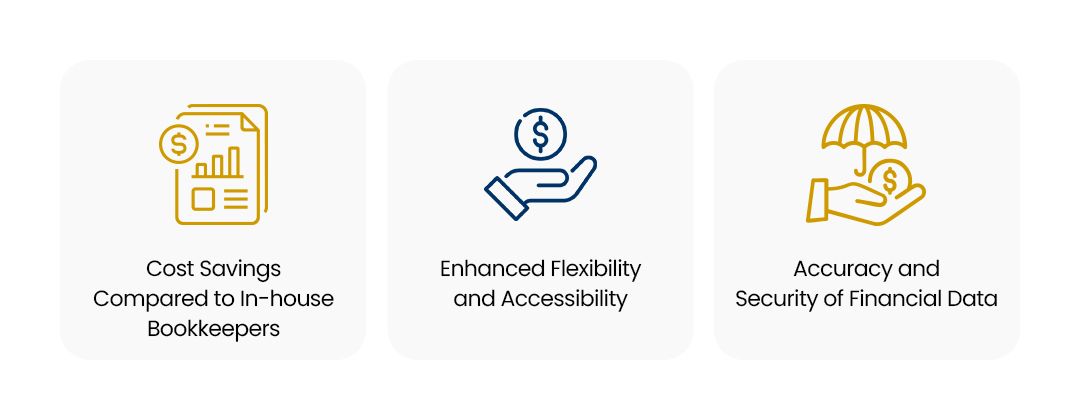
Cost Savings Compared to In-house Bookkeepers
Many companies conduct a cost comparison between hiring a full-time employee versus hiring a virtual bookkeeping company. Although companies with traditional bookkeeping staff incur salaries, workspace and additional benefits, virtual bookkeepers allow the company to avoid those expenses. The only costs incurred for using a virtual bookkeeping service are for the services rendered making this an economically viable alternative for small and medium sized businesses. Even large companies can take advantage of using a virtual service for bookkeeping to lower their overhead costs.
Enhanced Flexibility and Accessibility
The availability of cloud access at any time provides Business Owners with maximum flexibility. As a result of their financial records being available to them 24/7, whether they are travelling, working remotely, or operating multiple locations from one place, this level of convenience is one of the biggest advantages of Virtual Bookkeeping.
Accuracy and Security of Financial Data
Virtual Bookkeeping relies on the use of automation and technology to help eliminate human error. The use of Encrypted Digital Storage, Encrypted Portals, and Multi-Factor Authentication helps ensure that financial records remain secure. Additionally, most virtual bookkeeping vendors have strict security policies in place to help keep your sensitive information safe.
When to Hire a Professional Bookkeeper
For some businesses, especially those that are expanding or those that have owners who are busy, year-end bookkeeping can be overwhelming. When you have messy records, have fallen behind in updating your records, or just find yourself lost navigating through the tax preparation process, it may be beneficial for you to hire a professional bookkeeper. At Orbit Accountants, we provide bookkeeping solutions that are accurate, compliant, and efficient, giving you the confidence to focus on your growth as a business. With Orbit Accountants, you can eliminate your need to keep complex spreadsheets and paper records for your bookkeeping activities. Using cutting-edge cloud-based accounting software, we can integrate your bank feeds, track your expenses, and provide you with year-end financial statements that are tax-ready, allowing you to complete your year-end bookkeeping hassle-free.
How to Hire a Virtual Bookkeeper
When you choose to hire virtual bookkeeping services, it is important to find the right provider. The first thing to look for when considering a potential provider is their experience and certifications; then evaluate their communication styles and the technology that they use. A good virtual bookkeeper will be Reliable, Transparent, and Comfortable working with Cloud-Based Accounting Systems.
In this stage of your search for the best Virtual Bookkeeping Services, many businesses have heard of Orbit Accountants. At Orbit Accountants we provide our clients with accurate, compliant and efficient financial solutions, allowing businesses to focus on what is important, Growth! Get rid of messy Excel files and boxes of receipts; Orbit Accountants simplifies your financial processes by providing Cloud-Based Accounting Solutions, integrates Bank Feeds, Sales Data and Expense Reporting for you to have a clear picture of your finances and Tax Ready Accounts.
Is Virtual Bookkeeping Right For Your Business?
Your ideal customer might be a new business owner and/or an owner of a small business company that sells products online (E-commerce business). The virtual bookkeeping option may work for business owners who want to increase the amount of control they have over their finances, decrease the cost of bookkeeping services, and have access to professional advice regarding their accounting practices.
Frequently Asked Question
How do I choose the best virtual bookkeeper for my business?
Select based on experience, knowledge of software, level of price transparency, and quality of communication.
What software do virtual bookkeepers use?
The majority of individuals are utilizing QuickBooks, Xero, FreshBooks, and a cloud-based portal to provide clients with secured information.
Are virtual bookkeepers as reliable as in-house bookkeepers?
The answer is yes; the reliability and accuracy of these systems is largely the same for most conventional accounting software. The key advantage that these systems provide is that they allow for increased flexibility in the way you access your data as well as a real-time view of how your funds are being managed.
What industries benefit most from virtual bookkeeping?
E-commerce, retail, service providers, consultants, and small businesses benefit greatly.
Is my financial data secure with a virtual bookkeeping company?
Yes, reputable firms use encryption, secure servers, and strict data protection policies.