

How Canadian Businesses Can Avoid U.S. Tariffs in 2026?
In 2026, many Canadian industries are concerned about shifting trade regulations between Canada and the USA—specifically, a potential increase in duties and tariffs on products shipped south of the border. A tariff is essentially a tax imposed on goods when they cross a border. When tariffs rise, Canadian companies face higher costs to sell their products in the U.S.. Ultimately, these increases can squeeze profit margins and raise prices for American consumers.
As the USA remains Canada’s primary trading partner, any shift in trade policy creates significant hurdles. To stay resilient, business owners must understand the current landscape and develop proactive strategies to protect their bottom line.
The Potential 25% Tariffs: Current Status in 2026
Throughout 2026, there have been ongoing proposals regarding potential 25% tariffs on specific imported goods. These proposals often target various industries based on evolving trade negotiations and political climates. Because these tariffs are typically product-specific, there is naturally a level of uncertainty regarding how they will apply to different business sectors.
Currently, several product categories are under review, and new regulations could progress quickly. Even if a tariff is only proposed and not yet formally enacted, the mere possibility can trigger changes in contracts, pricing, and purchasing decisions. It is vital for Canadian exporters to remain informed via official government announcements to avoid unexpected revenue losses.
Strategies for Canadian Businesses to Mitigate Tariff Impacts
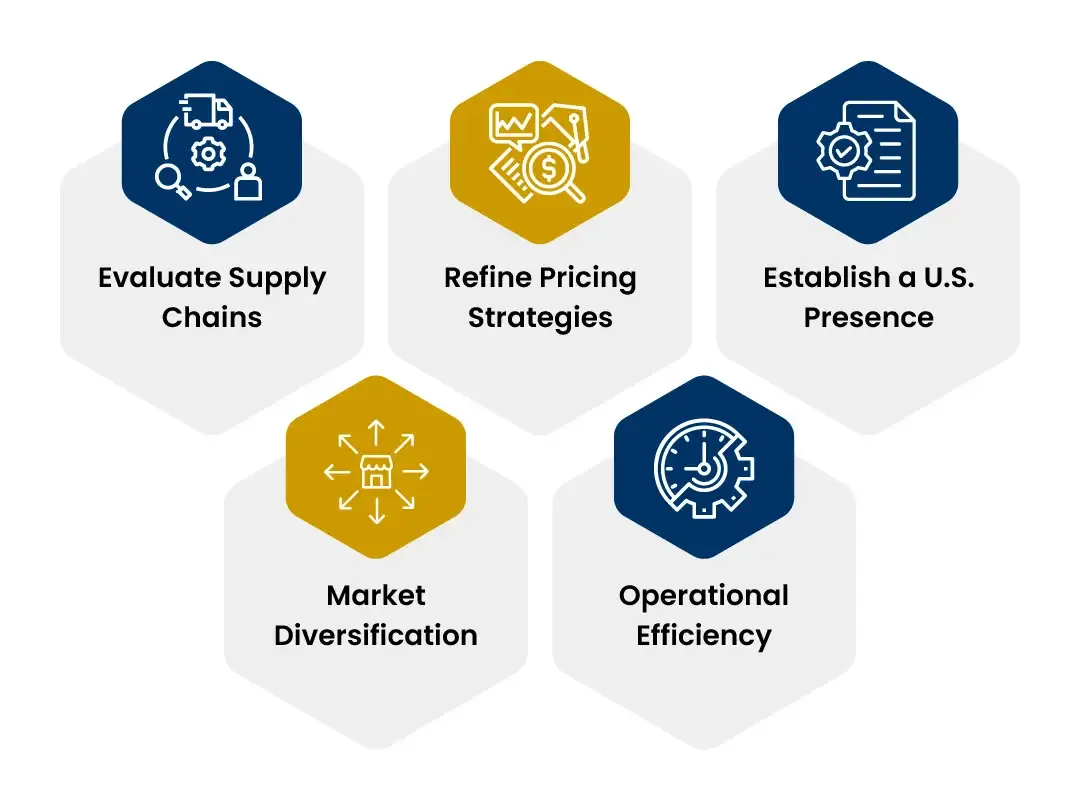
- Evaluate Supply Chains: Assessing alternative sources of supply can be an effective way to minimize the impact of cross-border duties.
- Refine Pricing Strategies: Businesses may need to adjust their pricing models—either by raising prices, absorbing lower margins, or a combination of both—to maintain profitability.
- Establish a U.S. Presence: Some Canadian firms are exploring small-scale U.S. operations or assembly centers.
- Local production can often help reduce the tariff burden on finished products.
Market Diversification: Exploring sales opportunities in Europe or Asia can reduce a company’s total dependence on the U.S. market. - Operational Efficiency: Improving efficiency and reducing waste helps businesses manage costs more effectively during periods of trade volatility.
Orbit Advisor Tip: For growing businesses, this is where clean monthly financials make a difference. Knowing your exact landed cost per unit allows you to make data-driven decisions about whether to absorb a tariff or pass it on to your customers.
Legal and Tax Implications of Establishing U.S. Operations
Opening a U.S. branch or subsidiary is a significant legal and tax undertaking. Beyond local corporate laws, business owners must navigate complex federal and state tax filing requirements, including payroll taxes and reporting obligations.
Crucially, Canadian companies must consider how U.S. income is taxed back home. While Canada and the U.S. have tax treaties to help eliminate double taxation, proper structuring is essential to ensure you aren’t paying more than necessary. Without professional guidance, businesses run the risk of incurring steep penalties and unnecessary tax liabilities.
Alternative Approaches for Businesses Unable to Relocate
Not every company has the resources to establish a physical U.S. site. However, creative solutions exist to decrease the tariff burden:
- Strategic Distribution: Working with a U.S. distributor to import in bulk can sometimes result in lower per-unit tariffs.
- Product Reclassification: In some cases, slightly altering a product may allow it to fall under a different trade category with lower duties.
- Focus on Value: Improving branding and product quality can justify a higher price point, making customers more willing to absorb a slight price increase.
Practical Tips for Staying Competitive
To remain viable in a world of trade uncertainty, flexibility is key. We recommend the following:
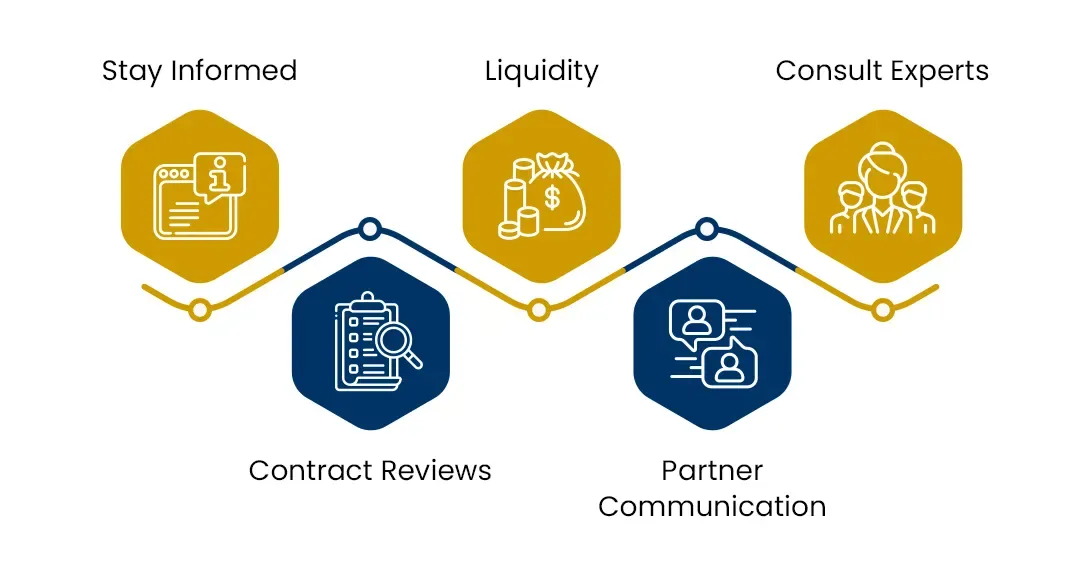
- Stay Informed: Monitor trade developments weekly.
- Contract Reviews: Identify which contracts may be impacted by sudden tariff changes.
- Liquidity: Maintain a cash reserve for unexpected cross-border expenses.
- Partner Communication: Strengthen relationships with U.S.-based customers to find mutually beneficial solutions.
- Consult Experts: Work with an accounting and tax professional to navigate cross-border compliance.
Conclusion
While 2026 presents challenges for Canadian exporters, proper advance planning can safeguard your profits. Whether you are analyzing your supply chain or investigating new markets, being proactive is your best defense.
At Orbit Accountants, we specialize in helping Canadian businesses navigate the complexities of cross-border trade. From ensuring you remain compliant with tax regulations to advising on financial strategies for U.S. expansion, we provide the clarity you need to grow—even in turbulent times.
FAQs
What is a tariff and how does it affect my bottom line?
A tariff is a tax on imports that increases your costs and can reduce profit margins if not managed correctly.
Can Canadian companies completely avoid U.S. tariffs?
While some may reduce or avoid tariffs by restructuring supply chains or qualifying under specific trade agreements, total avoidance depends heavily on your specific product classification.
Is opening a U.S. company expensive?
It involves various costs, including legal, registration, and ongoing compliance fees. Proper planning and professional accounting are crucial to ensure the move is cost-effective.
Disclaimer: This article is for informational purposes only and does not constitute professional tax, legal, or accounting advice. Trade regulations and tax laws are subject to change. Always consult with a qualified professional—like the team at Orbit—before making significant cross-border business decisions.